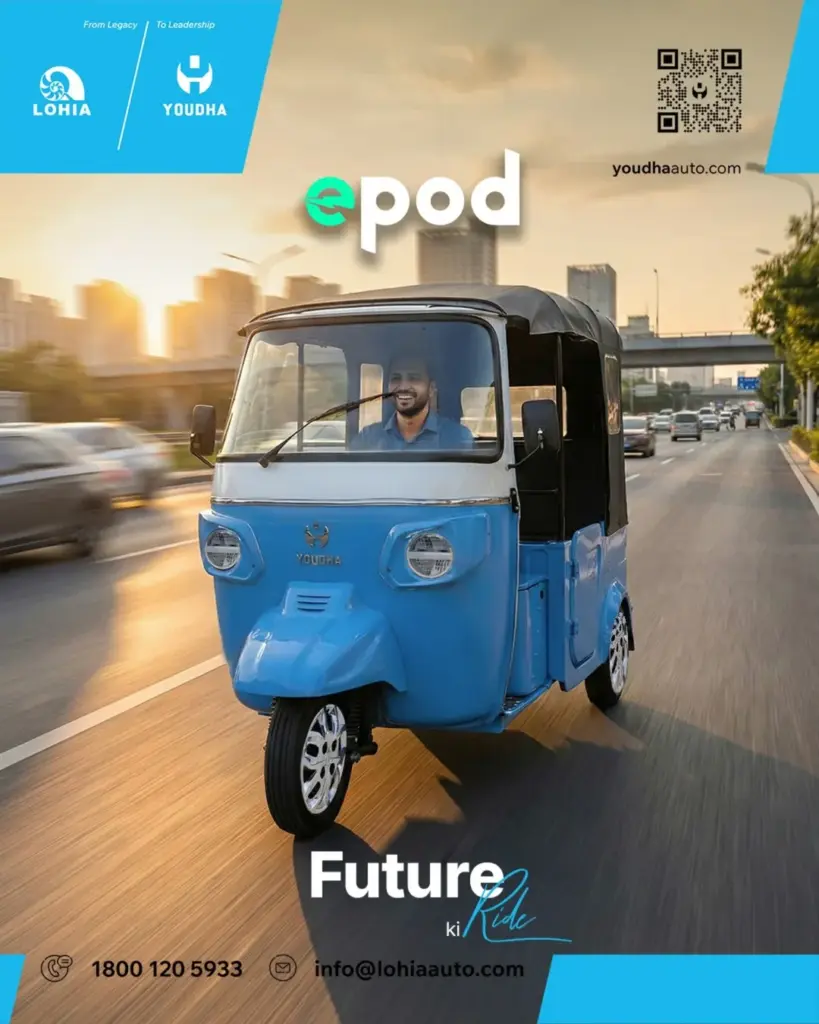
L5 electric autos, certified for higher speed and payload, are reshaping India’s last mile transport by cutting costs, reducing emissions, and improving efficiency. With battery tech advancements and government incentives, these vehicles now outperform traditional autos in range, durability, and total cost of ownership, making them the logical next step for urban mobility.
At 6:45 a.m. in Metrocities, a fleet of electric autos hums to life outside a metro station. Drivers swap batteries in under two minutes, their vehicles fully charged for another 12-hour shift. No CNG/Petrol fumes. No engine noise. Just quiet efficiency moving thousands of commuters to their final destinations. This isn’t a pilot project, it’s the new normal for last mile transport in India’s cities.
The shift isn’t accidental. L5 electric autos, classified under India’s AIS-038 standard for higher speed electric three wheelers, are designed for the demands of urban mobility. Unlike their slower L3 counterparts, L5 autos can legally operate on arterial roads, carry heavier loads, and maintain speeds up to 50 km/h, critical for routes that mix city streets with highways. According to a recent market analysis by India Today, the L5 segment now accounts for 42% of new electric auto registrations in Tier 1 cities, up from just 18% in 2023. The reason? These vehicles solve real problems for drivers, operators, and passengers alike.
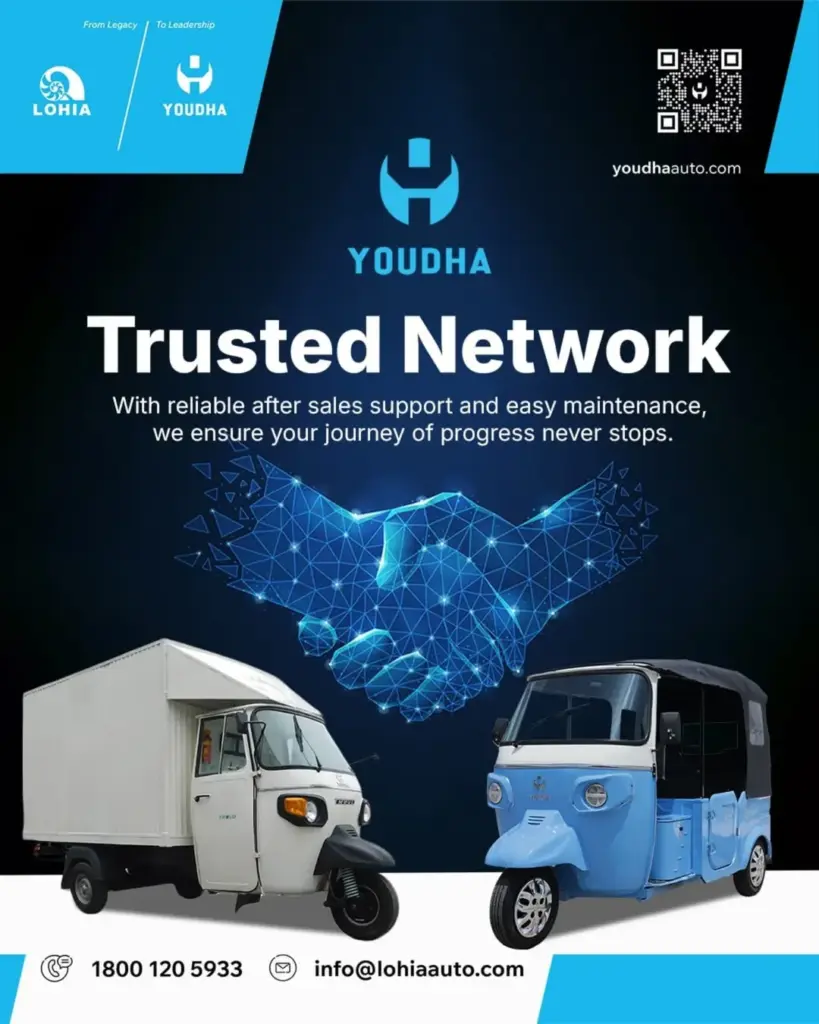
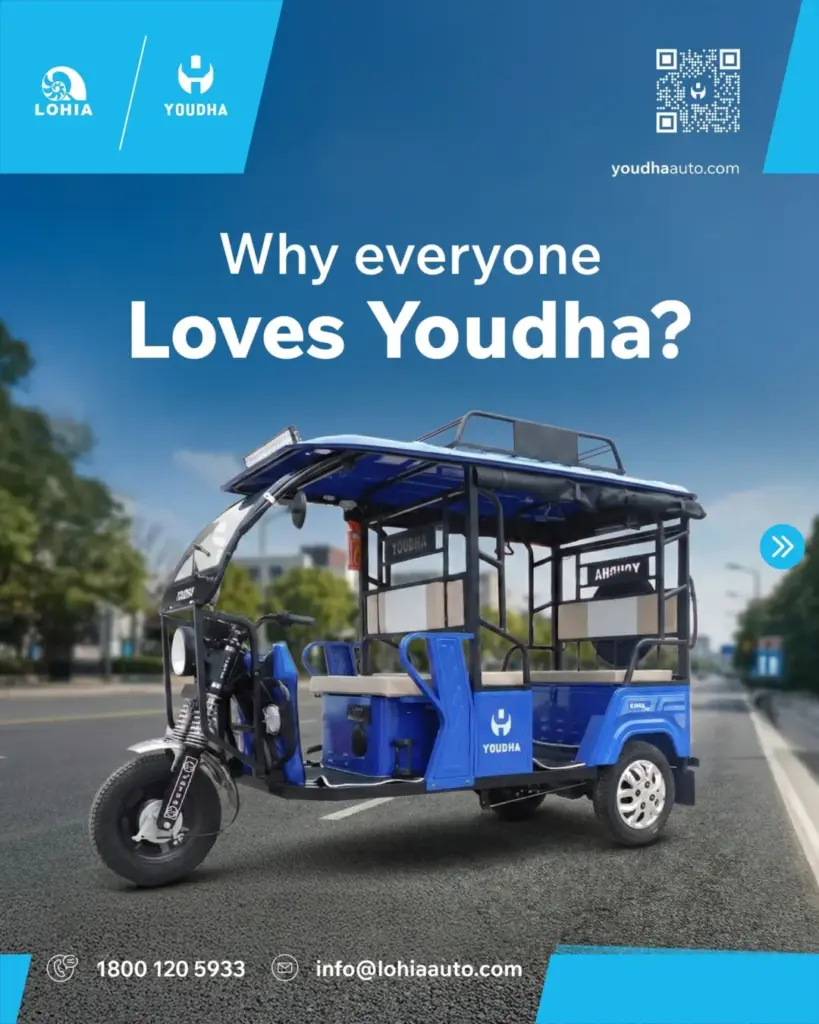
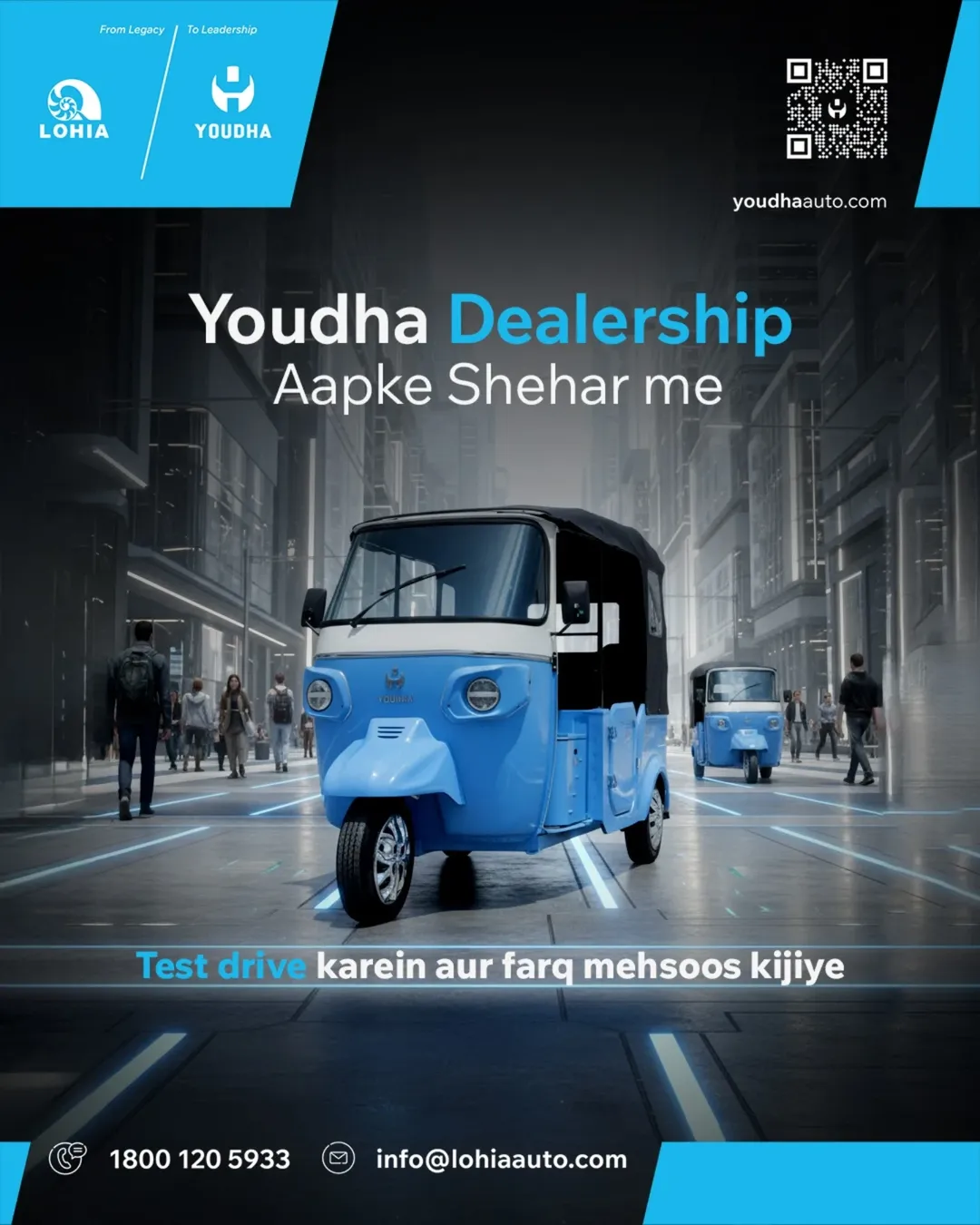
Youdha has been at the forefront of this transition, designing L5 electric autos that balance performance with practicality. The difference isn’t just in the specs, it’s in how these vehicles integrate into the rhythms of daily life.
What Makes L5 Electric Autos Different from Traditional Autos?
The distinction starts with certification. L5 electric autos meet stricter safety and performance standards than conventional three-wheelers. They’re built with reinforced chassis, better braking systems, and higher capacity batteries, features that translate to longer lifespans and lower maintenance costs. A study by VCCircle found that L5 electric autos require 30% fewer repairs over five years compared to other non electric autos, largely due to fewer moving parts and regenerative braking systems that reduce wear.
But the real advantage is operational. Traditional autos struggle with range anxiety and refueling downtime. L5 electric autos, however, are designed for urban duty cycles. Most models now offer 120–250 km per charge, enough for a full day’s work without mid shift recharging. Some low range vehicles come with battery swapping networks, like those deployed in Delhi and Hyderabad, further eliminate downtime. Drivers can swap a depleted battery for a fully charged one in under two minutes, faster than filling a CNG/Petrol/Diesel tank and some comes with a long range battery which covers full day of transportation without any refilling and saves a lot of time and earn more.
How Do L5 Electric Autos Reduce Costs for Drivers?
For auto rickshaw drivers, the math is simple: electricity is cheaper than CNG/Petrol/Diesel. At current rates, charging an L5 electric auto costs very low per km, compared to CNG/Petrol/diesel. Over a year, that adds up to savings of ₹60,000–₹80,000 per vehicle. But the savings don’t stop at fuel.
Maintenance is where L5 electric autos truly shine. No engine oil changes. No gearbox repairs. No exhaust system failures. A driver in Mumbai told News24 Online that his electric auto’s only recurring expense is tire replacements and the occasional brake pad change. Even battery degradation, once a concern, has improved. Most L5 autos now come with 5 year battery warranties, and some providers offer buyback programs to offset replacement costs.
Government incentives sweeten the deal. Under the FAME-II scheme, L5 electric autos qualify for subsidies of up to ₹50,000, reducing upfront costs by 15–20%. State-level policies, like Delhi’s scrappage scheme, offer additional rebates for drivers who switch from diesel to electric. The result? A total cost of ownership that’s 25–30% lower than traditional autos over three years.
Are L5 Electric Autos Scalable for India’s Diverse Cities?
The short answer: yes, but with caveats. L5 electric autos are optimized for urban and peri-urban routes, where stop and go traffic and short distances play to their strengths. In metro cities, where last mile connectivity is a growing pain point, these vehicles are already proving their worth. A 2025 report by The Federal noted that electric auto fleets in these cities have reduced average commute times by 12% by cutting congestion and improving route efficiency.
However, scalability depends on two factors: charging infrastructure and financing. Battery-swapping stations are expanding, but coverage remains uneven outside major cities. Financing, too, is a hurdle. While banks and NBFCs are warming up to electric auto loans, interest rates are still 2–3% higher than for diesel autos. Some providers, including Youdha, are partnering with fintech platforms to offer driver-friendly EMI plans, but adoption is slower in rural and semi-urban areas.
The good news? The gaps are closing. The government’s ₹10,000 crore EV infrastructure push aims to add 10,000 swapping stations by 2027, with a focus on Tier 2 cities. And as battery prices continue to fall, down 18% since 2023, per FoneArena, L5 electric autos will become even more accessible.
Key Facts Worth Knowing
- 78% of last mile trips in India are under 10 km, ideal for L5 electric autos’ range and efficiency (Manorama Online).
- L5 electric autos emit 60% less CO₂ per km than diesel autos, even accounting for India’s coal-heavy grid (BoomLive).
- Drivers earn 15–20% more per day with electric autos due to lower running costs and higher trip volumes (Inshorts).
- Battery swapping reduces downtime by 90% compared to plug-in charging, a critical factor for commercial operators.
People Also Ask
Can L5 electric autos handle India’s rough roads? Yes. L5 autos are built with reinforced suspensions and higher ground clearance than L3 models. Youdha’s vehicles, for example, use a monocoque chassis designed to withstand potholes and uneven surfaces without compromising stability.
What’s the lifespan of an L5 electric auto? With proper maintenance, most L5 electric autos last 7–10 years. Batteries typically retain 80% capacity after 5 years, and many manufacturers offer replacement programs to extend vehicle life.
Are L5 electric autos safe in monsoon conditions? L5 autos meet IP67 waterproofing standards, meaning they can handle heavy rain and flooding. However, drivers should avoid deep water to prevent motor damage—a precaution that applies to all vehicles.
Why This Matters Right Now
India’s last mile transport sector is at a crossroads. Diesel autos, once the backbone of urban mobility, are becoming liabilities—expensive to run, polluting, and increasingly unpopular with passengers. Meanwhile, ride-hailing platforms and delivery services are clamoring for cleaner, more efficient alternatives. The recent surge in L5 electric auto sales isn’t just a trend; it’s a market correction.
The timing aligns with broader shifts. India’s push for net-zero emissions by 2070 has accelerated EV adoption targets, with a focus on commercial vehicles. The National Electric Mobility Mission Plan (NEMMP) now aims for 30% electrification of three-wheelers by 2030, a goal that hinges on L5 autos. Cities, too, are taking notice. Mumbai’s recent ban on new diesel autos in certain zones is just the beginning. As regulations tighten, L5 electric autos will move from niche to necessity.
Final Thoughts
The future of last-mile transport in India isn’t about replacing one vehicle with another. It’s about rethinking mobility, designing systems that work for drivers, passengers, and cities alike. L5 electric autos are the first step in that direction: practical, profitable, and sustainable.
The transition won’t happen overnight. Infrastructure gaps, financing challenges, and driver skepticism remain. But the momentum is undeniable. Every diesel auto replaced by an L5 electric model is a win for air quality, driver earnings, and urban efficiency. The question isn’t whether this shift will happen, it’s how fast.
Explore more at Youdha.