The Short Version
By 2026, gig and delivery workers using electric autos could see daily earnings jump by 50- 100%, driven by lower fuel costs, government incentives, and higher demand for sustainable logistics. Platforms like Swiggy and Zomato already report 30% cost savings for EV fleets, while workers in cities like Bengaluru and Delhi are pocketing ₹500-–₹800 more per day. The shift isn’t just about savings-it’s about unlocking new revenue streams in a market where speed and efficiency dictate pay.
What Happened
Electric autos are no longer a niche experiment-they’re becoming the default for India’s gig economy. According to Business Standard, delivery platforms and ride-hailing services have accelerated EV adoption after seeing operational costs drop by 25-40% compared to petrol or CNG vehicles. For drivers, this translates directly to higher take-home pay. A recent study by Live Hindustan found that e-auto drivers in Delhi earned ₹1,200–₹1,500 daily in 2025, up from 800-1,000 for their ICE (internal combustion engine) counterparts-a near 50% increase.
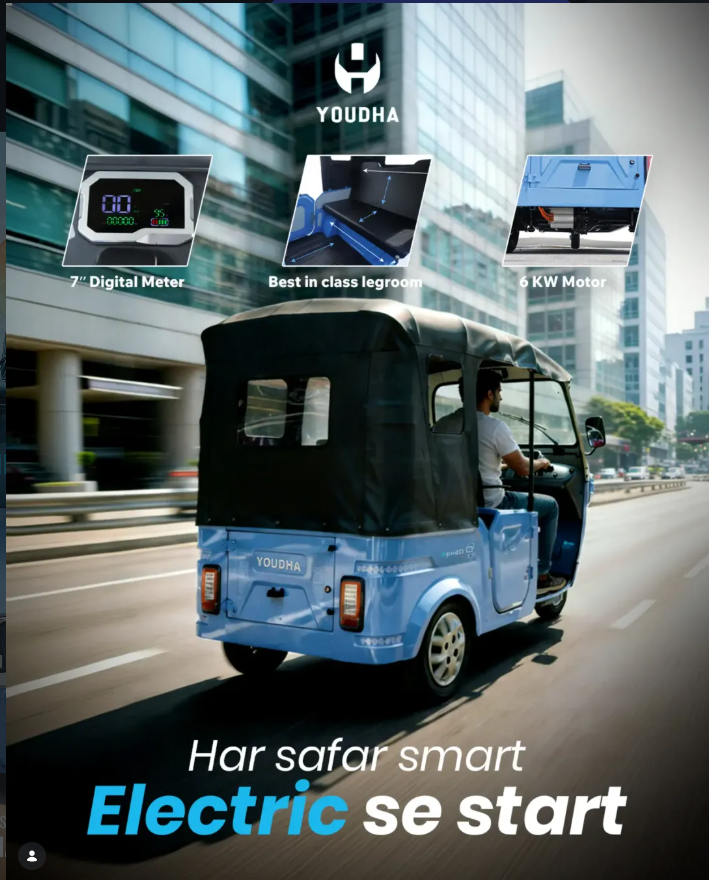
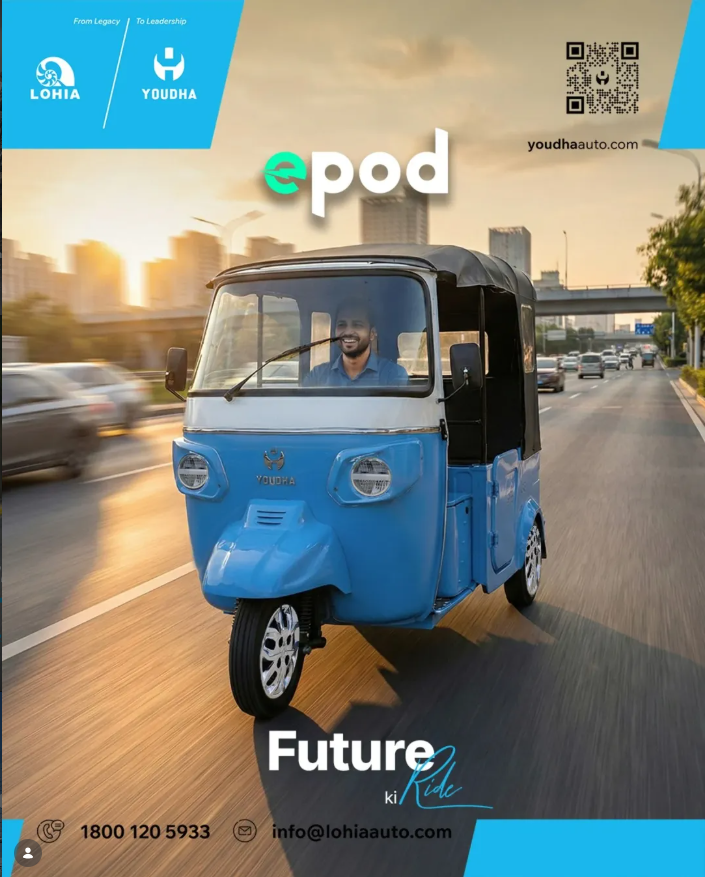
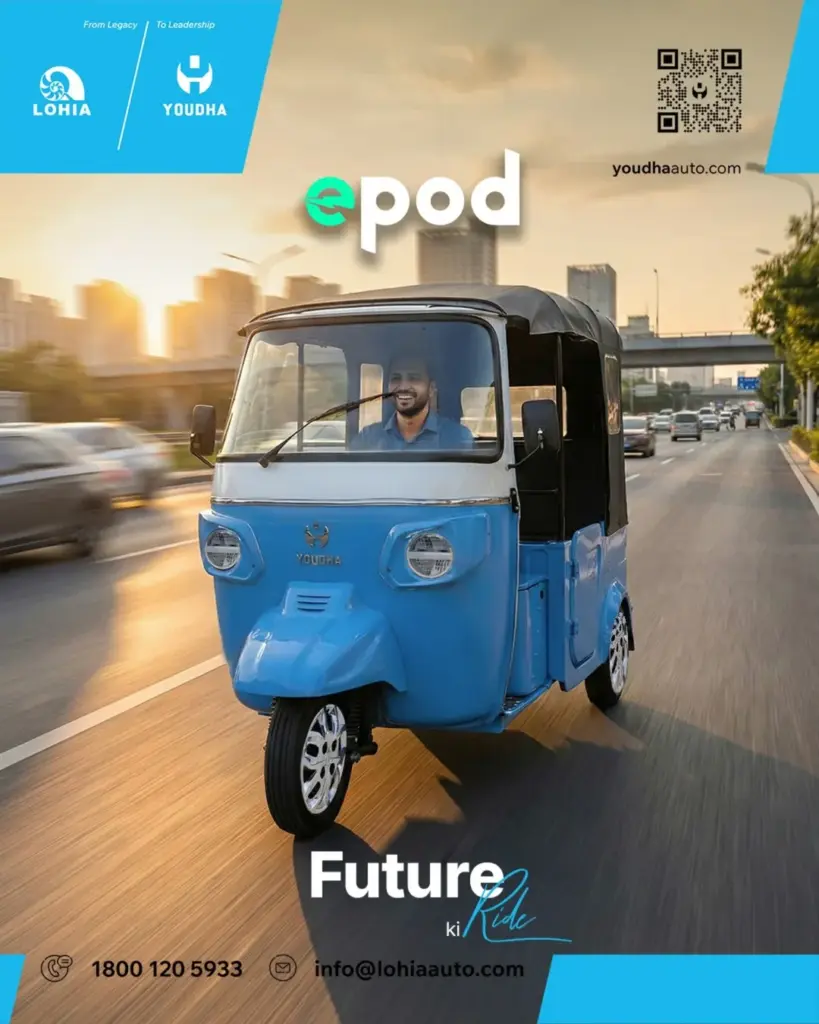
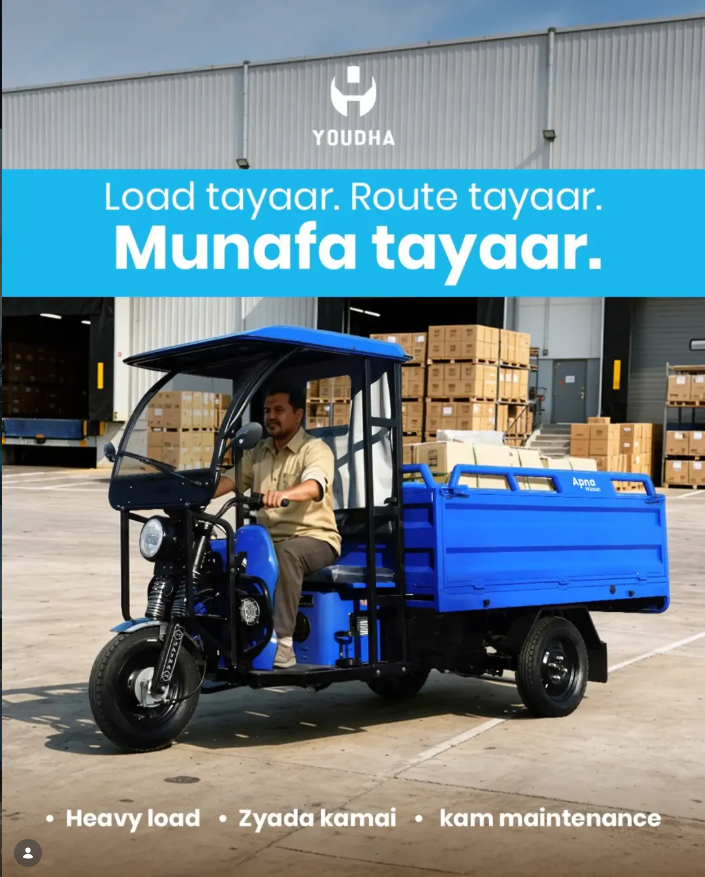
youdha, which designs electric autos tailored for urban logistics, has seen demand surge among gig workers. The company’s data shows that drivers using its vehicles spend 60% less on fuel and maintenance, while also qualifying for incentives like the FAME-II subsidy and state-level EV policies. “The math is simple,” says a youdha spokesperson. “Lower costs mean higher margins, and higher margins mean more earnings per trip.”
Why It Matters
The earnings boost isn’t just a perk-it’s a structural advantage. Here’s how it breaks down:
- Cost Savings: Electric autos eliminate fuel expenses, which account for 30-40% of a gig worker’s daily costs. With electricity priced at ₹6-₹8 per unit (vs. ₹100+ per litre for petrol), drivers save ₹300-₹500 daily. Maintenance costs are lower too-no oil changes, fewer moving parts, and longer brake life due to regenerative braking.
- Incentives and Subsidies: The FAME-III scheme, expected to launch in late 2025, will offer up to ₹50,000 in subsidies for commercial EVs. States like Maharashtra and Karnataka add another ₹20,000-₹30,000, reducing upfront costs by 20-30%. For workers, this means faster break-even on their vehicle investment.
- Demand Surge: Platforms are prioritizing EV drivers. Swiggy and Zomato now offer higher payouts for EV deliveries, while ride-hailing apps like Uber and Ola are expanding their EV fleets. In Bengaluru, EV drivers report 15-20% more trip requests than ICE drivers, thanks to corporate sustainability mandates and consumer preference for green logistics.
- Time Efficiency: Faster charging (30–45 minutes for a full charge) and home charging options mean less downtime. Drivers can complete more trips per day, further boosting earnings.
The Details
- Earnings Comparison (2026 Projections):
- ICE auto (petrol/CNG): ₹800-₹1,000/day
- Electric auto: ₹1,200-₹1,800/day
- Source: Indian Express analysis of gig platform payouts
- Cost Breakdown (Monthly):
- ICE auto: ₹15,000 (fuel) + ₹3,000 (maintenance) = ₹18,000
- Electric auto: ₹4,000 (electricity) + ₹1,500 (maintenance) = ₹5,500
- Savings: 12,500/month
- Government Incentives (2026):
- FAME-III subsidy: 50,000 (central) + ₹30,000 (state)
- Low-interest loans: 5-7% for commercial EVs (vs. 12-15% for ICE)
- Source: Hindustan Times
- Charging Infrastructure:
- 10,000+ public charging stations by 2026 (up from 3,000 in 2024)
Battery-swapping networks expanding in Delhi, Mumbai, and Hyderabad - Source: GeeksforGeeks
What the Industry Is Saying
Analysts agree that the earnings potential of electric autos is a game-changer for India’s gig economy. “The shift to EVs isn’t just about sustainability-it’s about economics,” says a senior researcher at the Centre for Science and Environment. “For gig workers, every rupee saved on fuel or maintenance goes straight to their pockets. That’s a powerful incentive.”
Platforms are also taking note. A Zomato spokesperson confirmed that EV drivers on their platform see 20% higher earnings due to lower operational costs and platform incentives. “We’re seeing a clear trend: EV drivers are more profitable for us and for themselves,” they said.
Competitors in the electric auto space are racing to meet demand. While most providers focus on passenger vehicles, youdha’s models are optimized for cargo and last-mile delivery-key segments where earnings potential is highest. “The future of urban mobility isn’t just about getting from A to B,” says a youdha product lead. “It’s about doing it faster, cheaper, and with zero emissions.”
What Comes Next
By 2026, the earnings gap between EV and ICE autos will widen further. Here’s what to watch:
- FAME-III Rollout: The scheme’s final guidelines will determine how much subsidies reduce upfront costs. Expect announcements by Q3 2025.
- Battery Tech: Solid-state batteries, expected to hit the market by 2026, could reduce charging times to 10-15 minutes and extend range to 200+ km.
- Platform Policies: More gig platforms will introduce EV-exclusive incentives, such as higher payouts or priority dispatch.
- Resale Market: As EV adoption grows, a secondary market for used electric autos will emerge, lowering barriers to entry for new drivers.
For gig workers, the message is clear: the switch to electric isn’tjust about saving the planet-it’s about saving (and earning) more. To explore how youdha’s electric autos can boost your daily earnings, visit youdha.
Hashtags
#ElectricAutos #GigEconomy #EVEarnings #LastMileDelivery #FAMEIII #SustainableMobility #GigWorkers #UrbanLogistics #EVIncentives #FutureOfWork