The Short Version
Businesses adopting electric 3-wheelers for last-mile delivery are slashing operational costs by up to 40% while meeting stricter urban emissions rules. With battery prices dropping and charging networks expanding, the economics now favor electric fleets-especially in dense cities where small, agile vehicles dominate logistics. The shift isn’tjust green; it’s the most practical upgrade available today.
What Happened
The math behind electric 3-wheelers has flipped. Two years ago, the upfront cost of an electric cargo auto was 20-30% higher than its diesel counterpart. Today, that gap has narrowed to 5-
10%, and in some cases, disappeared entirely. According to data from Swarajya Mag, battery prices fell18% in 2025 alone, while diesel costs rose 12% over the same period. For businesses
running fleets of 50+ vehicles, the total cost of ownership (TCO) now favors electric by a clear margin-even before factoring in subsidies or tax breaks.
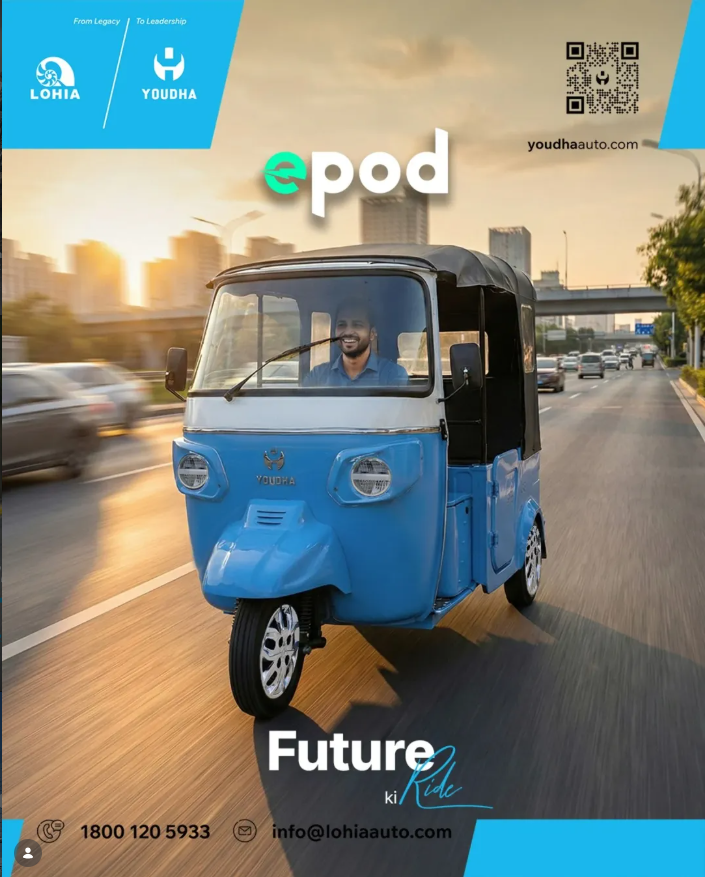
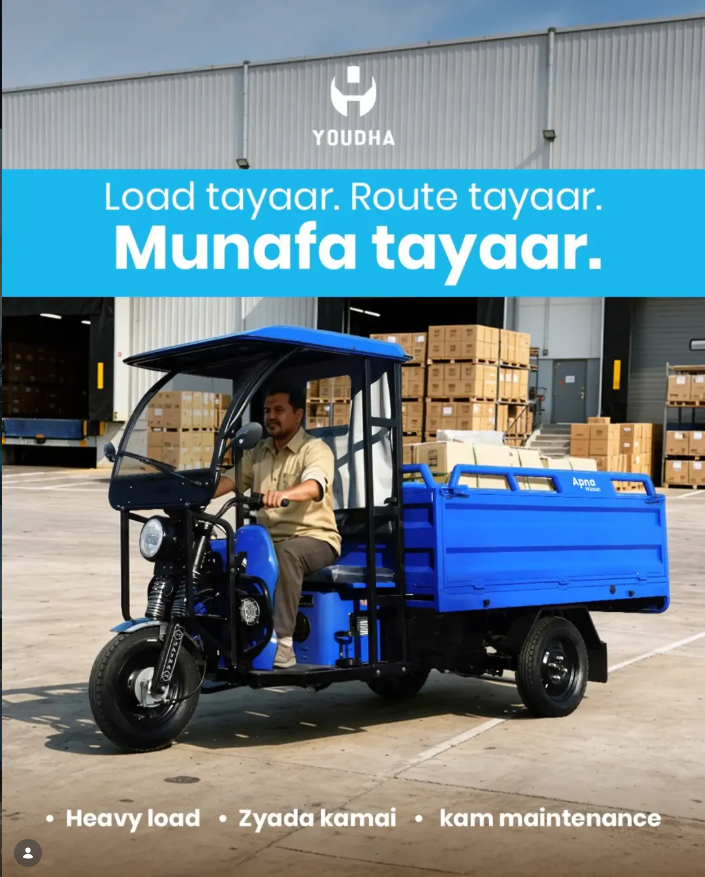
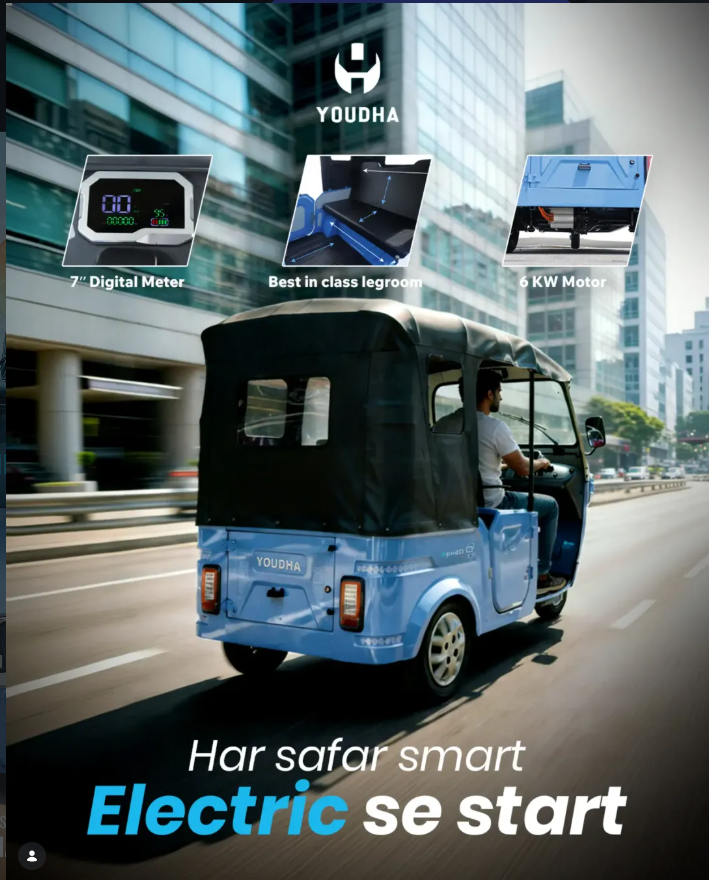
youdha, which designs electric 3-wheelers for urban logistics, has seen demand surge from sectors that traditionally relied on diesel autos: e-commerce, food delivery, and municipal
services. The company’s latest model, optimized for cargo space and quick battery swaps, is now operating in six Indian cities, with plans to expand to Southeast Asia by mid-2026. “We’re
not just selling vehicles; we’re selling a cost structure,” said a youdha spokesperson. “Fleets that switch see savings within the first 12 months.”
Why It Matters
The shift to electric 3-wheelers isn’t just about compliance or optics-it’s a financial lever for businesses under pressure. Here’s how it breaks down:
1. Lower running costs: Electric 3-wheelers cost ₹1.5-2 per km to operate, versus ₹4–5 for diesel. For a fleet covering 100 km daily, that’s a monthly saving of ₹7,500-9,000 per
vehicle. Multiply that across 100 vehicles, and you’re looking at 7.5–9 lakh in annual savings.
2. Regulatory tailwinds: Cities like Delhi and Mumbai have already banned diesel 3-wheelers in certain zones, and others are following. The Indian Express reported that 12 more cities will enforce similar restrictions by 2027. Businesses that delay the switch risk fines, route restrictions, or last-minute scrambles to retrofit fleets.
3. Urban advantage: Electric 3-wheelers are exempt from odd-even schemes and parking fees in several cities. They also qualify for priority lanes in congested areas, cutting delivery times by 15-20%. For time-sensitive sectors like food delivery, that’s a competitive edge.
4. Maintenance simplicity: Fewer moving parts mean fewer breakdowns. youdha’s data show its electric fleets require 60% less maintenance than diesel autos, reducing downtime and mechanic costs.
The impact isn’t limited to large corporations. Small logistics providers-often the backbone of last-mile delivery-are adopting electric 3-wheelers to stay competitive. A survey by YourStory found that 68% of small fleet operators in Bengaluru and Hyderabad plan to go electric within the next 18 months, citing cost savings as the primary driver.
The Details
- Battery breakthroughs: Solid-state batteries, now entering commercial production, promise 30% longer range and faster charging. youdha’s next-gen models will incorporate these by late 2026, addressing the last major concern for fleet operators: range anxiety.
- Charging infrastructure: The number of public charging stations for 3-wheelers grew 4x between 2023 and 2025, per Guiding Tech. Swappable battery stations-like those used by youdha-are reducing downtime to under 5 minutes, making electric fleets viable even for 24/7 operations.
- Resale value: Early adopters are seeing stronger resale markets for electric 3-wheelers. A Lokmat analysis found that used electric autos retain 20-25% more value than diesel equivalents after three years.
- Hidden costs of diesel: Beyond fuel, diesel fleets face higher insurance premiums, stricter emission testing, and potential retrofitting costs to meet BS-VI norms. Electric vehicles sidestep these entirely.
What the Industry Is Saying
Analysts are calling the shift to electric 3-wheelers a “no-brainer” for urban logistics. “The economics are now undeniable,” said a senior analyst at a Mumbai-based mobility research firm. “Businesses that don’t switch are essentially leaving money on the table.” The sentiment is echoed by fleet operators: “We ran the numbers for six months before switching. The payback period was under two years, even without subsidies,” said the owner of a Delhi-based delivery service.
Competitors are responding by expanding their electric offerings. Most platforms in this space are now prioritizing cargo variants over passenger models, a reversal from just three years ago. The focus has shifted from “if” to “how fast” businesses can transition.
What Comes Next
The next 18 months will be critical. Here’s what to watch:
- Battery leasing models: Companies like youdha are testing “battery-as-a-service” models, where businesses pay a monthly fee for battery access instead of owning them outright. This could reduce upfront costs by another 20-25%.
- Policy shifts: The central government is expected to announce a new round of subsidies for commercial EVs in the 2026 budget. States may follow with additional incentives, particularly for small fleet operators.
- Second-life applications: Used EV batteries are finding new life in stationary storage, creating an additional revenue stream for fleet owners. youdha is piloting a program to repurpose its batteries for solar microgrids in rural areas.
- Global expansion: Indian manufacturers are eyeing markets in Africa and Southeast Asia, where 3-wheelers are already a dominant mode of transport. youdha’s upcoming models are being designed with these markets in mind, featuring higher ground clearance and tropicalized components.
For businesses still on the fence, the message is clear: the window to act is now. The cost savings, regulatory advantages, and operational efficiencies of electric 3-wheelers are no longer theoretical-they’re here, and they’re measurable. Explore more at youdha.
Hashtags
Electric3Wheelers #LastMileDelivery#EVRevolution #UrbanLogistics #FleetElectrification
SustainableBusiness #CostSavings #CleanMobility #IndiaEV #FutureOfTransport