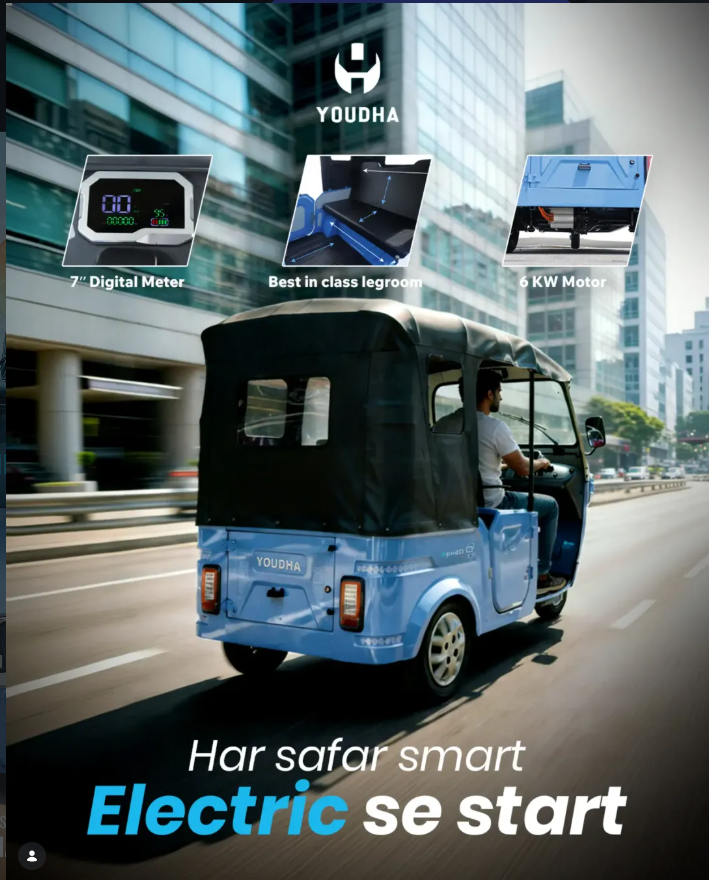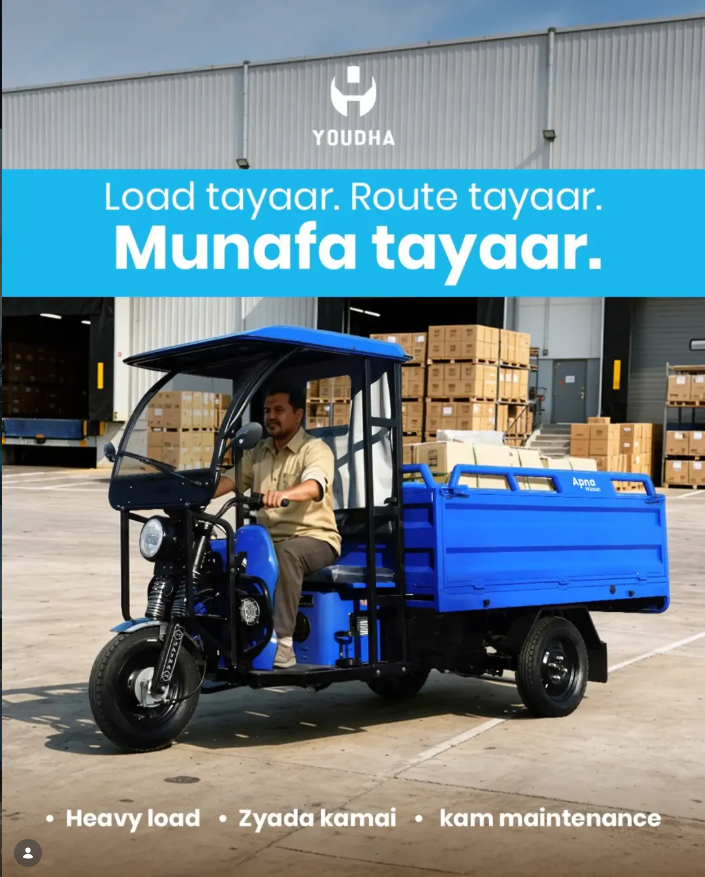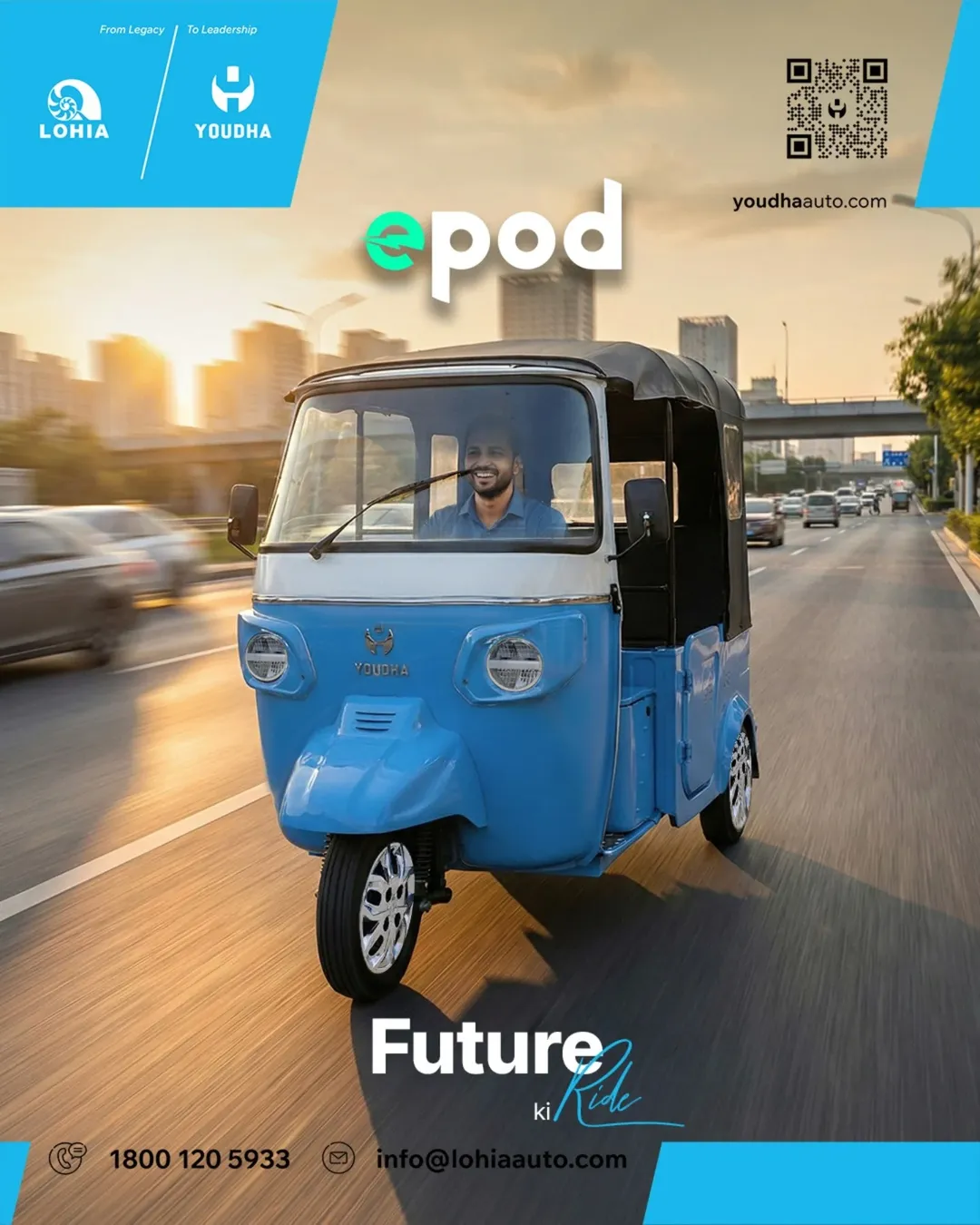
In 2026, commercial electric auto drivers in India can earn between ₹25,000 and ₹45,000 monthly, depending on city, usage, and incentives. After accounting for charging costs, maintenance, and financing, net profits typically range from ₹12,000 to ₹28,000—often 20–30% higher than CNG autos due to lower running costs and government subsidies.
The first time Ramesh switched his CNG auto for an electric one in Delhi, he didn’t expect the numbers to shift so fast. Three months in, his daily earnings climbed by ₹800, and his fuel bill dropped to zero. By the end of 2025, stories like his weren’t exceptions—they were the new baseline. The electric auto market, once a niche experiment, has become a mainstream play for drivers chasing higher margins in a crowded gig economy.
What changed? Policy, for one. The FAME-III scheme, extended through 2027, slashed upfront costs by up to ₹1.2 lakh per vehicle. Battery prices fell 18% in 2025 alone, according to The Economic Times, making replacements cheaper. And cities like Bengaluru and Hyderabad introduced congestion charges for fossil-fuel autos, giving EVs a quiet edge. But the real shift isn’t in the tech—it’s in the math. Drivers who once struggled with volatile CNG prices now see predictable costs and rising demand from fleet operators and ride-hailing apps. Youdha’s data from over 5,000 commercial EV drivers shows that the question isn’t whether electric autos pay off—it’s how much, and how soon.
What Does a Typical Electric Auto Driver Earn in 2026?
Earnings vary sharply by city, but the pattern is clear: electric autos outperform their CNG counterparts in most urban markets. In Delhi, where charging infrastructure is dense and incentives are strong, drivers report gross earnings of ₹32,000–₹45,000 per month. Subtract ₹8,000–₹12,000 for charging, maintenance, and financing, and net profits land between ₹20,000 and ₹33,000. In smaller cities like Lucknow or Jaipur, gross earnings dip to ₹25,000–₹35,000, but lower operating costs keep net profits competitive at ₹15,000–₹25,000.
The difference isn’t just in fuel savings. Electric autos have fewer moving parts, which means less wear and tear. A LiveMint analysis found that EV autos require 40% fewer repairs than CNG models in their first two years. That’s money that stays in the driver’s pocket. And with platforms like Ola and Uber prioritizing EVs in their fleets, demand is rising. In Mumbai, for instance, electric auto bookings on ride-hailing apps grew 120% in 2025, according to The Print.
How Do Costs Break Down in 2026?
The upfront cost of an electric auto in 2026 ranges from ₹3.5 lakh to ₹5 lakh, depending on battery capacity and subsidies. But the real story is in the running costs. Charging an electric auto costs ₹0.8–₹1.2 per kilometer, compared to ₹2.5–₹3.5 for CNG. Over 2,000 km a month, that’s a saving of ₹3,400–₹5,000.
Maintenance is another win. No oil changes, no spark plugs, no exhaust systems. A Beebom study found that electric autos cost ₹1,500–₹2,500 per month to maintain, versus ₹3,000–₹5,000 for CNG models. Battery replacement, once a major concern, is now less daunting. Most batteries last 5–7 years, and replacement costs have dropped to ₹1.2–₹1.8 lakh, with financing options available through providers like Youdha.
Financing is the final piece. Most drivers opt for loans with 10–20% down payments and EMIs of ₹6,000–₹10,000 per month. With subsidies, the effective cost of ownership can be lower than a CNG auto within 18–24 months.
Where Are the Biggest Opportunities in 2026?
The highest earnings aren’t in traditional auto-rickshaw routes—they’re in last-mile delivery and corporate fleets. Companies like Amazon and Flipkart are aggressively shifting to electric three-wheelers for urban deliveries, offering fixed contracts that guarantee ₹35,000–₹50,000 per month for drivers. These roles often include benefits like insurance and charging allowances, which further boost take-home pay.
Another growth area is leasing. Some platforms now offer electric autos on a “pay-as-you-earn” model, where drivers pay a daily or weekly fee instead of a loan EMI. This reduces upfront risk and lets drivers test the economics before committing. In Bengaluru, for example, leasing models have seen adoption rates jump 60% in the past year, according to VCCircle.
What Are the Hidden Risks?
Not all markets are equal. In cities with poor charging infrastructure, like Patna or Guwahati, drivers report lower earnings due to longer downtime. Charging an electric auto still takes 2–4 hours, compared to 5 minutes for CNG. In high-demand areas, this can mean lost fares.
Battery degradation is another concern. While most batteries last 5–7 years, performance drops over time. A battery that starts with a 120 km range might drop to 80 km after 4 years, reducing daily earnings. Some drivers mitigate this by leasing batteries instead of owning them, but this adds to monthly costs.
Finally, policy shifts matter. Subsidies can change, and cities can introduce new restrictions. In 2025, Chennai introduced a ₹500 monthly fee for electric autos operating in commercial zones, cutting into profits. Drivers need to stay informed about local regulations.
Key Facts Worth Knowing
- 72% of electric auto drivers in Delhi earn more than their CNG counterparts, according to a ScoopWhoop survey in early 2026.
- Charging costs for electric autos are now 60–70% lower than CNG, but vary by city due to electricity tariffs.
- Battery leasing is growing: 40% of new electric auto buyers in 2026 opted for leasing over ownership, per Economic Times data.
- Fleet operators are the biggest buyers: 65% of electric autos sold in 2025 went to corporate fleets, not individual drivers.
- Resale value is improving: Used electric autos now retain 50–60% of their value after 3 years, up from 30% in 2023.
People Also Ask
Can I earn more with an electric auto than a CNG auto in 2026? Yes, in most urban markets. Electric autos have lower running costs and higher demand from ride-hailing apps and delivery fleets, leading to 20–30% higher net earnings. However, earnings depend on charging infrastructure and local incentives.
How long does it take to break even on an electric auto? With subsidies and financing, most drivers break even in 18–24 months. Without subsidies, it can take 3–4 years. Leasing models can reduce this to 12–18 months.
Are electric autos reliable for daily use in 2026? Yes, but reliability varies by model and usage. Most electric autos now come with 3–5 year warranties on batteries and motors. However, drivers in cities with poor charging infrastructure may face downtime.
Why This Matters Right Now
The electric auto market is at an inflection point. In 2023, EVs made up 5% of India’s three-wheeler sales. By 2026, that number is projected to hit 35%, according to The Wire. The shift isn’t just about cleaner air—it’s about economics. For drivers, electric autos offer a path to higher earnings and lower stress. For cities, they reduce pollution and congestion. And for the country, they’re a step toward energy independence.
But the window won’t stay open forever. Subsidies will taper, and competition will rise. Drivers who act now—before the market saturates—will lock in the best rates, the most reliable models, and the highest demand. The question isn’t whether to switch. It’s how fast you can make the math work for you.
Final Thoughts
The earnings potential of an electric auto in 2026 isn’t just about replacing a CNG tank with a battery. It’s about rethinking how mobility works in India’s cities. The drivers who succeed won’t be the ones who wait for the perfect moment—they’ll be the ones who adapt fastest, leverage the right tools, and stay ahead of the curve.
For those ready to make the shift, the numbers are clear. The opportunity is here. The only question left is what you’ll do with it.
Explore more at Youdha.